

Baking creams explained: types, textures and when to use them

5 minutes
06 August 2026
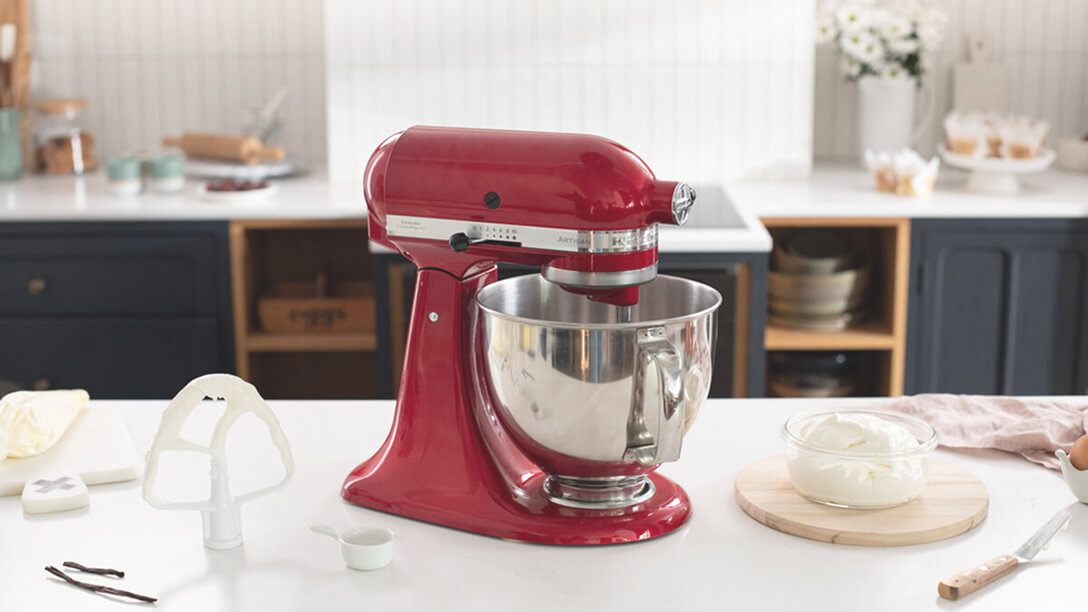
From the rich pastry cream inside your profiteroles to a pillowy chantilly on a crispy pavlova, cream might just be the hardest-working thing in pastry. It adds structure, contrast, and that indulgent feel you love in a dessert. Some are airy and delicate. Others are thick and stable enough to pipe, layer or glaze. Here you'll learn how each cream works, where to use it and how to nail the texture every time.
Baking creams explained: types, textures and when to use them
Baking creams explained: types, textures and when to use them
Why one cream pipes and another drizzles
Pipe pastry cream into an éclair and it holds its shape perfectly. Try the same thing with chantilly cream, and you’ll be chasing it across your dessert plate instead. In baking, cream is never just “cream”. Some are rich and sturdy enough to hold the layers of a cake together. Others are so soft and velvety, you can drizzle them over sticky toffee pudding or warm apple crumble like a sauce. So why do they behave so differently? Because each cream gets its structure in a different way. Many of the classics, however, start from the same few bases and techniques. Some are cooked until they’re thick and firm. Others are whipped until they’re light and airy. And some combine two or more techniques to create even richer, sturdier or silkier fillings. Why does any of this matter? Because once you understand what’s happening behind the scenes, you’ll get why some creams belong inside an éclair and why others work better for glazing, layering or piping. Know your creams, and pulling off bakery-worthy desserts gets a whole lot easier. Let’s take a closer look at the basics. When you strip away those fancy French names, most creams boil down to these four types.
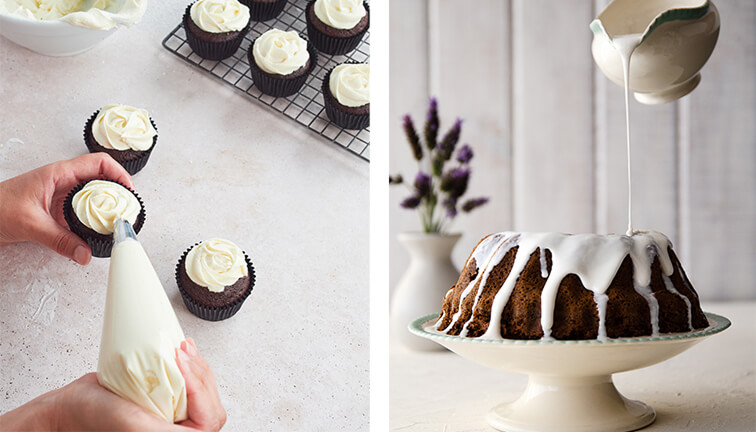
Custard-based creams
In custard-based creams egg yolks and starch do the heavy lifting. When you heat up those two, the proteins in the egg and the starches slowly set together, creating a thick, stable structure.
The result? Smooth, yet reliable creams that hold their shape, pipe like a charm, ace a three-layer cake and won't collapse on the way to the dinner table. Pastry cream is the classic example. But a silky crème anglaise, for example, relies on the very same kitchen magic.
Air-based creams
Aerated creams like whipped cream or crème chantilly skip the stove completely. Here, all the structure comes from air. When you whisk cream, tiny air bubbles get trapped inside the fat, turning it light and fluffy.
This is exactly where your Stand Mixer shines. The Wire Whisk attachment whips air evenly through the entire bowl, creating smaller, more stable bubbles than you’d usually get by hand.
The payoff? A soft, cloud-like cream that’s far more delicate than pastry cream. So don’t expect it to hold up in the same way. This is the kind you want to serve straight from the bowl. Not the kind you trust with a long car ride to dinner.
Hybrid creams
With a hybrid cream, you use different techniques to get the best of both worlds: the thick, reliable structure of custard and the lighter, fluffier feel of an airy cream.
The idea is simple: you take a stable base like a custard and either work in a lighter mixture like whipped cream to lighten it up, or add a fat stabiliser like butter to make it firmer and richer. That's how you end up with a filling like mousseline that pipes cleanly or chiboust that glazes beautifully, and still manages to melt in the mouth.
These types of creams don't just taste good. They also do exactly what you need them to do. That’s why they're the go-to for high-end pâtisserie.
Fat-based emulsions
Fat-based creams are the heavyweight champions of the pastry world. They rely on creamed butter or chocolate for structure, creating rich frostings and fillings that stay firm and stable, even at room temperature.
A good old-fashioned buttercream is probably the first one that comes to mind. But a fudgy chocolate ganache and a nutty crème d’amande play in the same league.
Which attachment to use for which cream
Now that you know the main types of cream and how they get their texture, let’s talk about how your KitchenAid Stand Mixer can help you pull them off. Here’s which attachment you’ll want for each type of cream.
The Wire Whisk Attachment
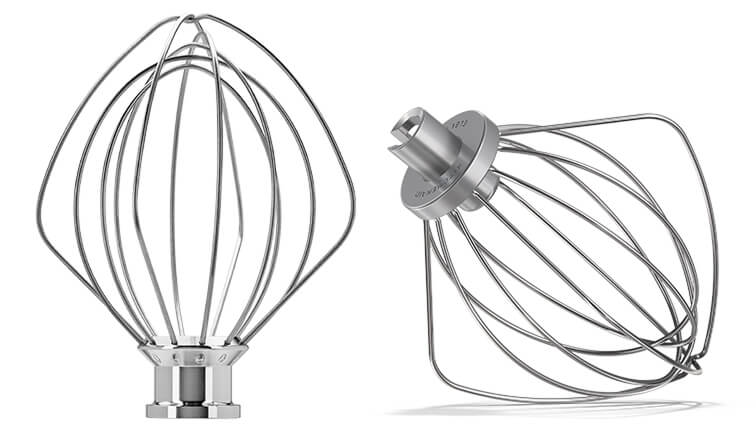
Your go-to for creams that rely on air for structure and volume. Think whipped cream, chantilly, meringue, bavarian cream and aquafaba-based creams.
Whips in air evenly, so your textures stay lighter, smoother and far more stable.
Lets you create soft peaks, medium peaks or stiff peaks with much more control.
The Paddle Attachment
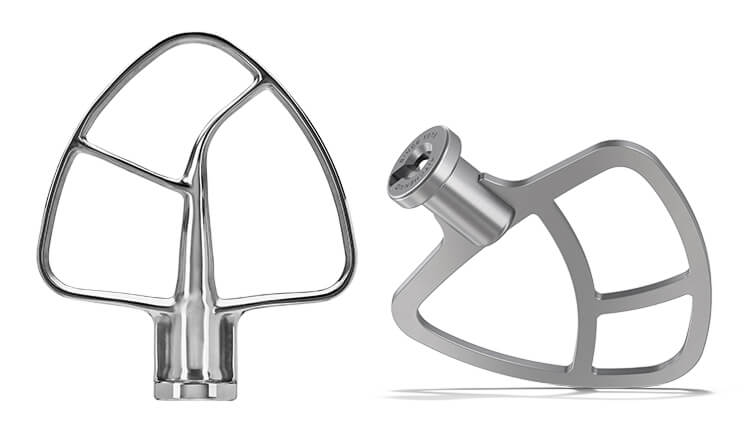
Your best bet for rich, thicker creams that need smooth mixing instead of extra air. Buttercream or mousseline cream for instance. Or crème d’amande.
Keep your textures smooth and silky without whipping in too much air.
Get cold pastry cream smooth and creamy again. Ready for you to fold or pipe.
Double Flex Edge Beater
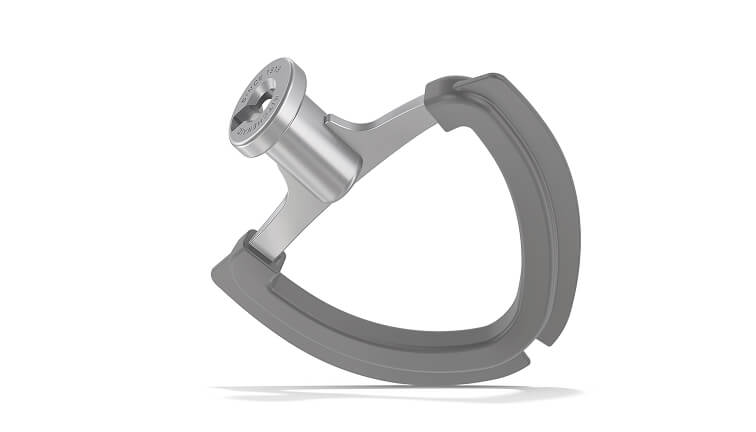
Your pick for delicate creams that need folding and gentle mixing to stay light and airy. Diplomat cream, crème légère, bavarian cream or chiboust? Right in its comfort zone.
Use it together with the ½ Fold Speed on the KitchenAid Artisan Plus. It mimics the slow folding motion you’d normally do with a spatula and lets you fold whipped cream or meringue into heavier bases without losing too much air.
Enough theory. Time to meet the creams behind all those bakery windows.
18 classic creams every baker should know
Buttercream, diplomat, mousseline, ganache… the world’s cream section isn’t exactly short. And they all come with their own ratios, textures and rulebooks. No need to memorise all of them, though. There are a handful of classics you’ll come across again and again in pastry. Those are the ones worth knowing. Let's go through what each one does best, how it gets its texture and where you'll want to use it.
1. Pastry cream
If there’s one cream you should learn to make, it’s pastry cream. It’s the workhorse of the pastry world. This thick custard gets cooked with milk, sugar, egg yolks and starch and then chilled in the fridge for at least 12 hours. Out comes a smooth, stable filling you can pipe into éclairs, layer into mille-feuille or spread into fruit tarts. It also happens to be the base for creams like diplomat, mousseline and chiboust. So once you know how to make pastry cream, there’s a very real chance you’ll start saying things like “I’ll just make a mousseline” on a random Sunday afternoon.
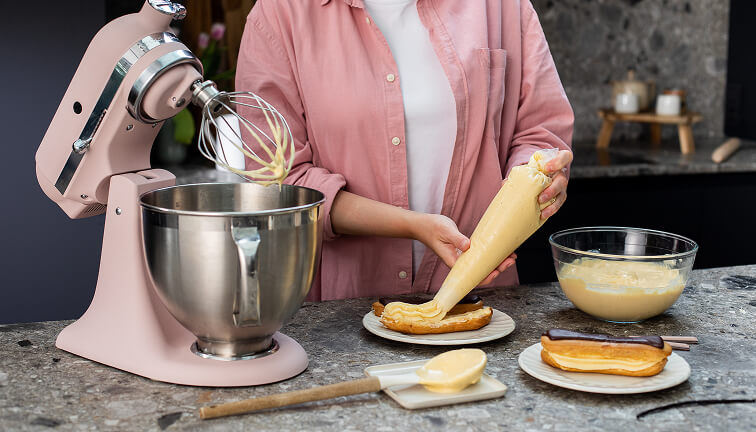
How to get it right:
Use the Wire Whisk Attachment to smooth out the egg and starch mixture. Your arm doesn’t need to prove anything here.
Cook it long enough for the starch to fully kick in. And keep whisking. Pastry cream gets lumpy fast when ignored.
Keep the heat moderate. It should thicken gently, not turn into sweet scrambled eggs. Cover it with cling film before you put it in the fridge. This way, you won’t have to peel a rubbery skin off the top later.
Pro tip: once chilled, use the Paddle Attachment on low speed to smooth the texture back out. At that speed, you won’t whip extra air into the cream.
2. Crème anglaise
Think of crème anglaise as pastry cream's more laid-back cousin. Same base of milk or cream, sugar and egg yolks cooked gently into a silky custard, but without the starch. Which means it never sets firm and you can spoon it over a warm pudding, a slice of cake or a bowl of fruit. And its CV doesn’t end there. Ice cream, Bavarian cream and crèmeux all start from here. So if you've got a good crème anglaise, you've got a head start on a whole lineup of even fancier desserts.
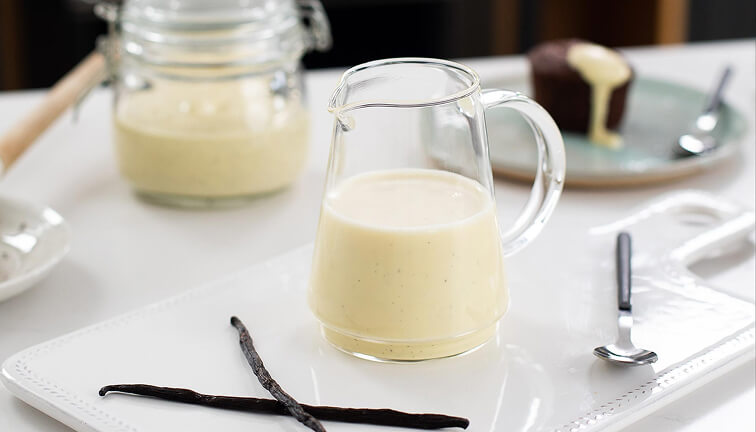
How to get it right:
Keep the heat low. Egg yolks scramble surprisingly fast.
Keep stirring while it cooks. It thickens much more evenly that way.
Watch the spoon, not the clock. Once the custard coats the back of it, you’re good to go. Strain it after cooking for that extra silky finish. Tiny lumps love sneaking in here.
Cool it down quickly once it’s done. The residual heat doesn't care that the hob is off.
3. Whipped cream
Whipped cream might look simple, but the entire pastry scene quietly runs on the stuff. You can top your pies with it or fold it into creams like diplomat, légère and bavarian cream. The science behind it? You whisk heavy cream until millions of tiny air bubbles get trapped inside, creating that soft, fluffy texture pastry chefs sneak into absolutely everything. Just don’t make it too far ahead of time. It has a very short attention span once it leaves the fridge.
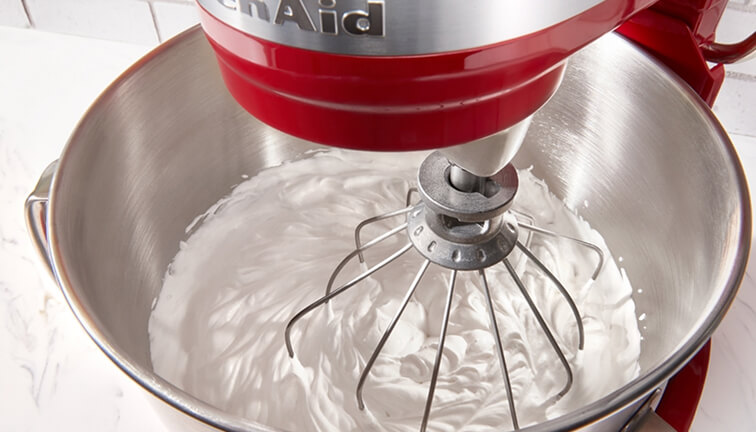
How to get it right:
Use cream with at least 30 to 35% fat or those bubbles won't hold.
Keep everything cold: the cream, the Stand Mixer bowl, the Wire Whisk Attachment.
Start at speed 2 to 4 for the first 30 seconds. Your countertops deserve better than a cream explosion. Then increase to medium-high speed to build a cream that stays fluffy for longer.
Watch it closely once medium peaks form. One moment of distraction and all of a sudden, you’re making butter.
4. Vegan coconut-based whipped cream
In this dairy-free take on whipped cream, coconut milk basically pretends to be heavy cream. And it does a pretty convincing job. Once chilled, the solid coconut fat whips up into a light, fluffy cream you can pile onto pavlovas, stack into layered desserts or quietly eat straight from the bowl while nobody’s looking. The only catch? Coconut fat only behaves when it’s cold. So, don’t skip the chilling tip below.
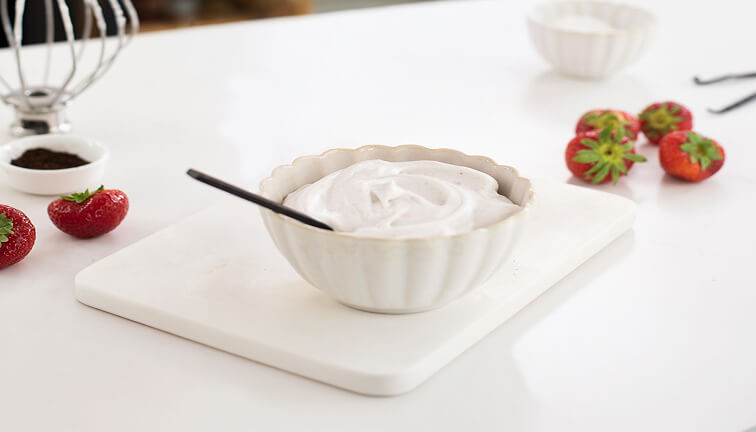
How to get it right:
Use full-fat coconut milk. The low-fat versions don’t have enough fat to hold all that air.
Chill the can for at least 24 hours before you start. The fat needs time to fully firm up.
Only use the thick cream from the top of the can. The watery layer underneath isn’t invited.
Chill the Stand Mixer bowl and Wire Whisk Attachment too. The cream whips faster and holds its shape much better that way.
Add 1 to 2 tablespoons of icing sugar. The cornstarch helps the whipped coconut cream stay firm for longer.
5. Vegan aquafaba-based whipped cream
Aquafaba whipped cream may sound a little strange at first. Chickpea water? In dessert? Stay with us here. Whisk it long enough, and it traps air into a fluffy, virtually fat-free white foam that behaves much like whipped egg whites. The texture lands somewhere between whipped cream and meringue. Light enough for vegan pavlovas, mousses and dessert toppings, but without the coconut flavour tagging along everywhere.
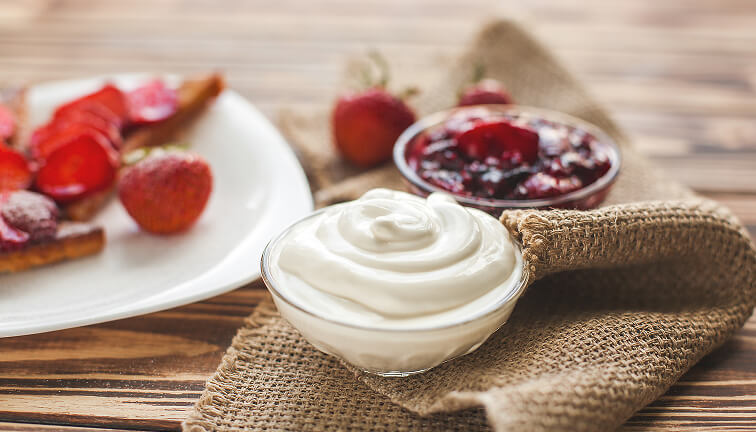
How to get it right:
Use the Wire Whisk Attachment. This mixture needs more air than your arm can handle.
Make sure the bowl and whisk are completely grease-free. Aquafaba and fat don't get along.
Add ¼ teaspoon of cream of tartar once the mixture turns foamy. It helps the foam hold onto all that air.
Start at medium-high speed and give it time. Aquafaba takes longer than dairy cream to reach stiff peaks.
Add the icing sugar one tablespoon at a time once soft peaks form.
Use or fold it into a mousse straight away.
6. Chantilly cream
Chantilly cream is whipped cream dressed up for dessert. Add powdered sugar and vanilla to high-fat cream, whisk it and you’ll end up with one of the lightest, fluffiest toppings in pastry. It’s the cream you’ll find in pavlovas, tucked into Victoria sponge cakes or melting slowly over hot chocolate. Delicate? Very. Worth it? Absolutely.
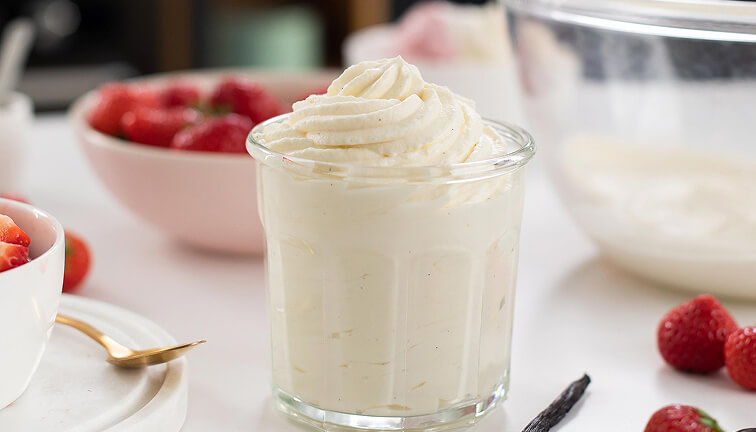
How to get it right:
Use cream with at least 35–40% fat or it might collapse before it even reaches the table.
Add the sugar gradually once the cream starts thickening. Chantilly doesn’t appreciate being rushed.
Use vanilla paste or fresh vanilla if you can. The flavour goes much deeper than standard extract.
Keep the peaks slightly soft if you’re filling cakes or desserts.
Don’t leave it sitting at room temperature too long.
Once the sugar is in, be careful not to overwhip it.
7. Bavarian cream
It’s soft, airy and somehow perfectly capable of standing on its own. Few creams pull that off, but bavarian cream can. You take crème anglaise, fold in semi-whipped cream, bring in gelatin for support and it turns into a cream that’s lighter than panna cotta, richer than a fruit mousse, and stable enough to stand proudly on a dessert plate. No wonder pastry chefs love using it for charlottes and layered mousse cakes.
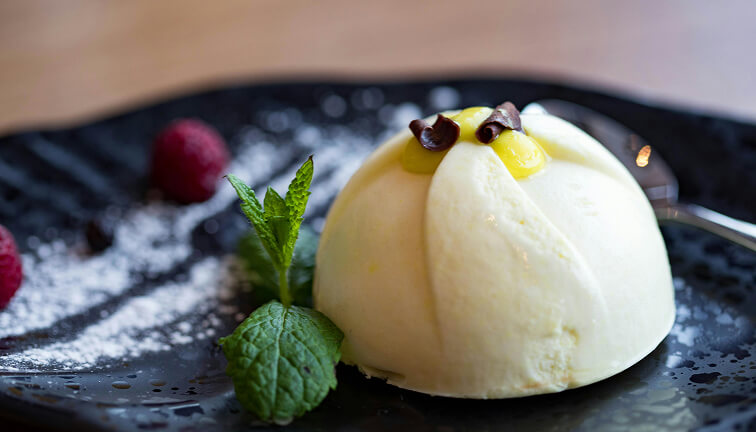
How to get it right:
Use the Wire Whisk Attachment and stop at soft peaks. If the whipped cream gets too stiff, it becomes much harder to fold into the anglaise without knocking all the air out or ending up with lumps.
Let the crème anglaise cool to roughly room temperature before combining everything. Too warm, and the whipped cream melts. Too cold, and the gelatin starts turning weirdly rubbery.
Fold the whipped cream in gently with a spatula to keep all that air inside. Or use the Artisan Plus on ½ Fold Speed. The anglaise is still quite fluid at this stage, so that slower, careful motion helps the whipped cream stay evenly mixed through the anglaise until the gelatin takes over.
Give it enough fridge time before you slice or serve it. This cream needs a moment to pull itself together.
8. Crèmeux
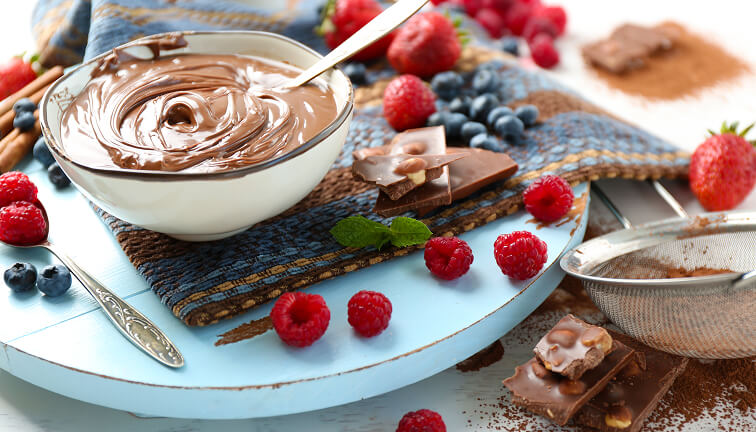
Crèmeux is what happens when crème anglaise goes full luxury mode. You start with the same silky custard base and then slowly work in chocolate, nut praliné or fruit purée. And in return? You get a glossy, velvety filling that pipes like a dream, but stays creamy all the way through. No rubbery bounce. No pudding-like wobble. It’s the cream for entremets. You know, those ultra-polished layered mousse cakes taking over your Instagram feed?
How to get it right:
Once the hot anglaise and chocolate are combined, give it a quick blend with your KitchenAid Hand Blender. It breaks down the fat droplets. And that’s how you get that signature glossy look.
Mix gently. This cream should stay smooth and velvety, not airy or foamy.
Use the best chocolate you can get your hands on. Crèmeux rewards you with a much silkier texture when you do.
Chill it fully before you slice or serve it. That fridge time is what makes the texture set.
Making a fruit version? Keep tasting along the way. You want that sweet-tangy balance to feel just right.
9. Crème Légère
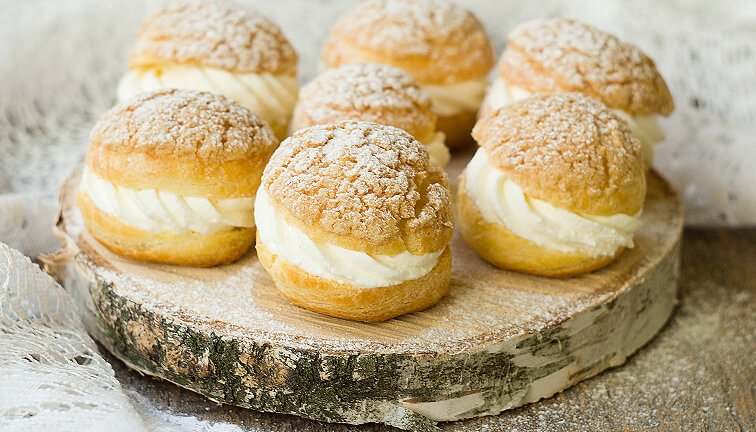
Crème légère has no gelatine, no firm structure and absolutely no interest in holding a cake layer together. What does it have? That soft, cloud-like texture that makes a cream puff worth queuing for. Fold whipped cream into pastry cream and stuff it inside éclairs, fruit tarts or any other dessert with a sturdy crust underneath. And do it just before you serve them. It falls more into the “eat immediately and lick your fingers” category than “stand proudly at room temperature all afternoon”.
How to get it right:
Cold pastry cream firms up a lot in the fridge. Beat it with the Paddle Attachment on medium speed until it turns smooth and creamy again before you fold anything in. Otherwise you’ll spend the next ten minutes chasing lumps around the bowl.
Fold in the whipped cream carefully. The ½ Fold Speed on the Artisan Plus Stand Mixer helps mimic that gentle hand-folding motion without knocking all the air out of your cream.
Stop the moment it comes together. Overmixing presses all that lovely air right back out again.
Fill your pastries shortly before serving. Crème légère doesn’t hold itself together for hours the way gelatin-based creams do.
10. Diplomat cream
Diplomat cream behaves exactly like its name suggests. It’s polished, composed and very good at keeping layered desserts under control. The trick? Gelatin. It gives this cream the structure to stand tall in mille-feuille or a Fraisier without collapsing the moment a knife goes through it. As for the rest of its talents? It’s smooth and rich like pastry cream, but lighter and fluffier thanks to all that folded-in whipped cream.
How to get it right:
Let the pastry cream cool completely first before you start folding.
You want to keep that airy texture. So, fold carefully. It’s exactly the sort of job the Artisan Plus on ½ Fold Speed was made for. Start with one batch of whipped cream to loosen the pastry cream, then fold in the rest for that final lift.
Making a layered dessert? Don’t skip the gelatin.
Chill for at least one to two hours before you slice it. The gelatine needs time to do its job.
Don't freeze it. Once thawed, the texture turns watery and the whole thing falls flat.
11. Mousseline cream
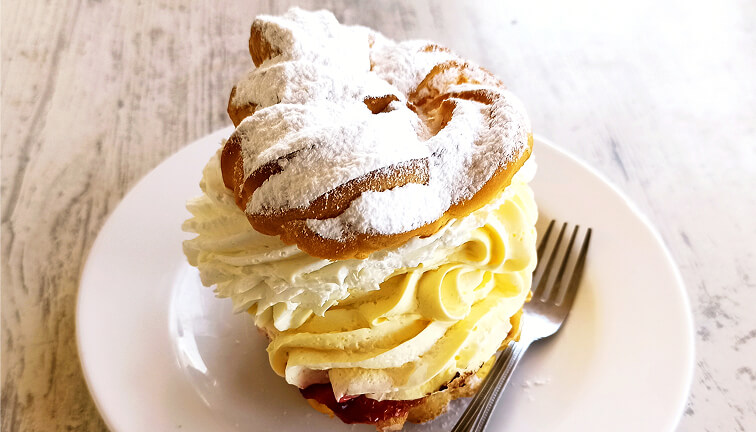
Those razor-sharp swirls on a Paris-Brest? That’s mousseline cream doing its thing. Whipping softened butter into pastry cream gives this French classic a silky texture with serious structure. It pipes beautifully, holds sharp edges and stays exactly where you put it. Richer than diplomat cream, yes, but still lighter and less buttery than a traditional buttercream.
How to get it right:
Cold butter and warm pastry cream don't combine. They argue. So get both to room temperature first. Add the butter piece by piece while your Stand Mixer runs. That gradual mixing is what gives the cream its smooth, silky finish.
If the cream splits halfway through, keep whisking. Mousseline often pulls itself back together.
Still grainy? The butter’s probably too cold. Warm the outside of the bowl briefly and keep mixing.
12. Chiboust
You might know chiboust cream from Saint-Honoré cake, the gloriously over-the-top French pastry named after the patron saint of bakers. Which already tells you this cream isn’t here to be understated. Fold Italian meringue into warm pastry cream, stabilise it with gelatine and you get an airy, marshmallow-like cream so glossy you can run a blowtorch over it and caramelise it. Slightly theatrical? Yes. Slightly high maintenance? Also yes. It needs to be folded at exactly the right temperature and piped while it's still supple. Worth the effort, though.
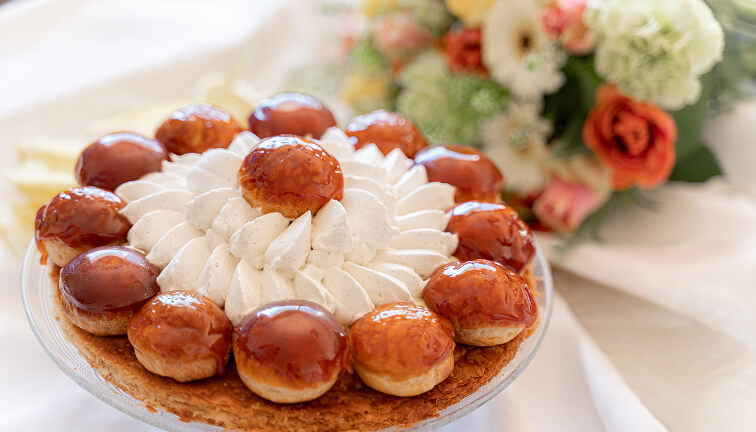
How to get it right:
Fold the meringue into the pastry cream while it’s still warm, around 40°C. Let it cool too much and the gelatin starts clumping. Leave it too hot and your lovely airy meringue collapses.
Keep the folding light and gentle. Not the patient type? Leave it to the Artisan Plus on ½ Fold Speed.
Pipe or mould the cream while it’s still supple. Once the gelatin sets, there’s no rescuing it with some extra whisking later.
13. Chocolate ganache
Ganache starts with just two ingredients: chocolate and cream. Which sounds almost too simple for a mixture with this much range. Warm, it turns glossy enough to glaze or pour over cakes in dramatic drips. Let it cool and it thickens into a rich filling for tarts, layered cakes or truffles. Whip it after chilling and it turns light and airy enough to frost a cupcake. Same two ingredients, three completely different results. It all comes down to temperature and the chocolate-cream ratio.
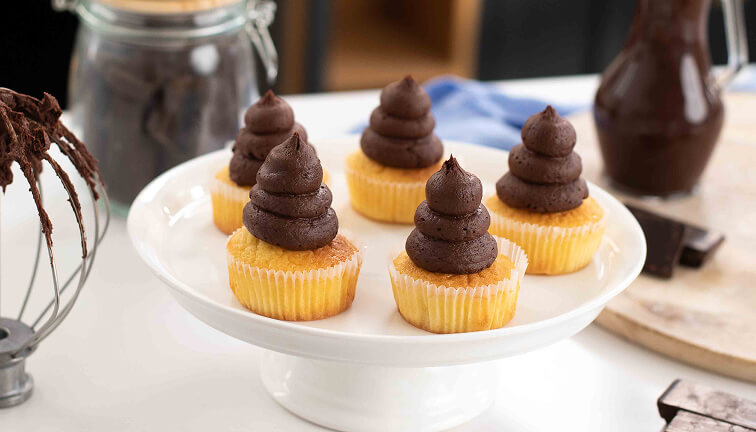
How to get it right:
Pour the hot cream over the chocolate gradually. Those two need to blend into each other slowly to form a smooth, glossy ganache.
Mix on Stir Speed. This way, you’ll combine them without whisking any extra air bubbles into it.
Plan on whipping it? Let it cool first. Warm ganache has no interest in holding onto air.
If the ganache splits, don’t panic. Just warm it gently and mix it again. Slowly, until it comes back together.
14. Italian meringue
Trust Italy to look at a basic meringue and think: we can do better than this. And they did. This is the most stable meringue you'll ever make. The secret? Hot sugar syrup whisked into your whipped egg whites, cooking them on the spot. That’s right, no need to fire up your oven. You’ll get a glossy, marshmallow-like foam you can fold into a mousse, spread over a Lemon Meringue Pie, pile onto a Baked Alaska or use as the base for Italian buttercream. You can even take a blowtorch to it if you want. It won't flinch.
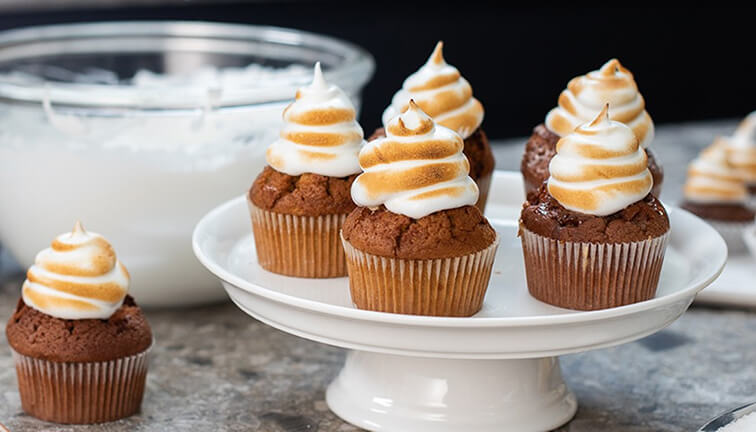
How to get it right:
Watch the sugar syrup temperature closely. Between 115°C and 121°C is the sweet spot. Cooler than that and your meringue stays runny; too hot and you’ll find crunchy sugar beads hiding inside.
Wipe the Stand Mixer bowl and Wire Whisk Attachment with lemon juice before you start. Any trace of grease and your whites won't whip.
Pour the syrup in slowly while mixing continuously. Italian meringue likes a steady stream, not a sugar avalanche.
Keep whipping until the bowl feels completely cool. This can take 5 to 10 minutes, so don’t stop too early.
15. Swiss meringue
Swiss meringue takes the scenic route to getting fluffy. You need to cook the egg whites and sugar together slowly over a bain-marie first. But once you finally do introduce them to your whisk, you get a marshmallow-like meringue with a silkier texture and a little more body than its Italian cousin. Exactly the kind you need for crisp pavlovas and neat cupcake swirls that make people ask which bakery you bought them from.
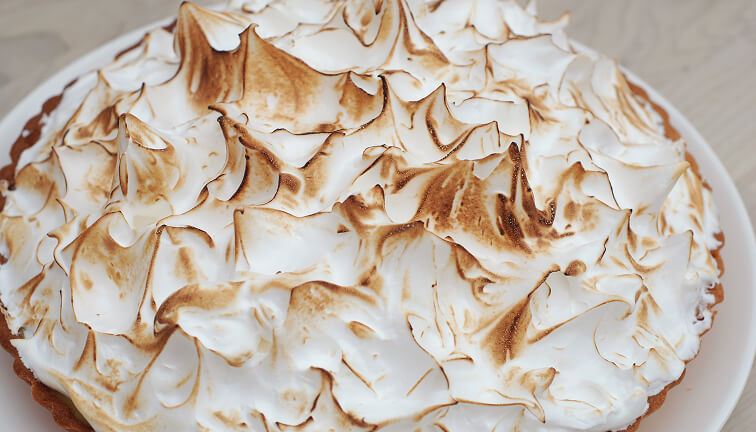
How to get it right:
Make sure there's no fat or egg yolk in the bowl before you start.
Heat the egg whites and sugar gently over the bain-marie until the sugar fully dissolves. Rub a little between your fingers to check. Still grainy? Keep going.
Use the Wire Whisk Attachment to whip in maximum volume and create that signature glossy texture.
Keep whisking until the bowl feels cool. Warm meringue collapses faster than you'd expect.
16. Buttercream
Does this one still need an introduction? It’s been on every birthday cake you've ever eaten. And for good reason. Whip butter, icing sugar and a splash of cream together and you get a rich, indulgent frosting that’s endlessly adjustable. Pipe it into swirls, spread it thickly between cake layers or flavour it with chocolate or cookie butter when plain vanilla starts feeling a little too vanilla. Want it firmer or softer? Just adjust the butter-to-sugar or cream ratio.
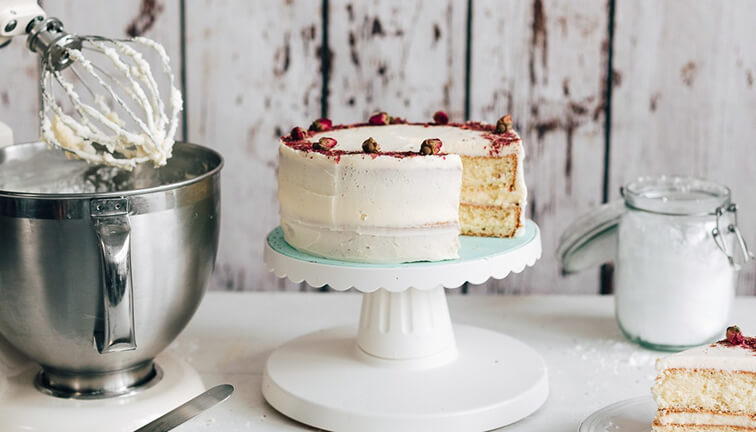
How to get it right:
Use softened butter from the start. Cold butter turns buttercream into a lumpy little battle you didn’t ask for. Cream the butter thoroughly before you add the icing sugar. The lighter the butter gets now, the smoother and fluffier the final frosting feels later.
Sift the icing sugar if you want smooth piping and a silkier finish. Need a hand? Use the KitchenAid Sifter and Scale Attachment.
Need a firmer frosting for piping? Add a little more icing sugar. Need a softer one you can spread over carrot cake or tray bakes? Add some more cream.
Want those sharp bakery-style swirls and clean cake edges? A piping bag and icing spatula make a big difference.
17. Italian meringue buttercream
It’s just as rich and silky as classic buttercream. But without the sugar barging into the room first. Why’s that? Because Italian meringue is the base here, not icing sugar. Beat creamed butter into it and you get an ultra-smooth frosting that still pipes and layers like it has a Michelin star to defend, but lets the flavour of the cake do the talking.
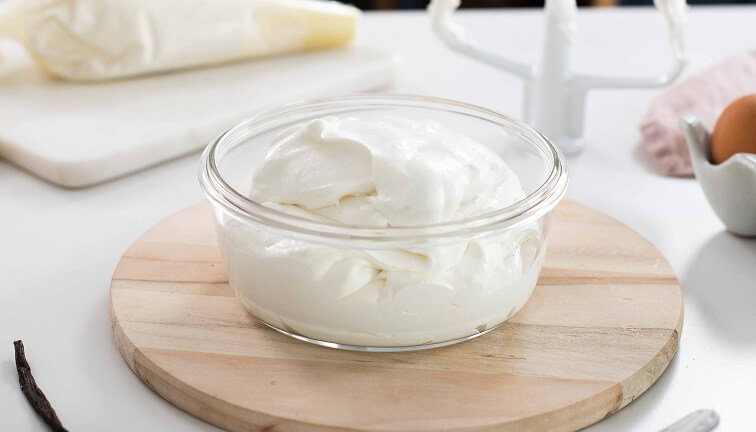
How to get it right:
Use butter that’s softened, but not melted.
Wait until the meringue is fully cooled before you add the butter. Do it piece by piece while the mixer runs.
If the mixture suddenly looks split or curdled, don’t panic. Keep mixing. Often it’ll come back together.
Serve it slightly below room temperature. That's when the texture is at its best.
18. Crème d'amande
Meet the reason you can’t just walk past a bakery window full of almond croissants. Crème d’amande or almond cream is a rich, fragrant filling that stays soft and moist even after baking at high heat. And you won’t even have to watch a thermometer like your life depends on it. Just mix equal parts butter, sugar, ground almonds and eggs and you’re already halfway there. Then, spoon it into croissants, pipe it into fruit tarts or tuck it inside a galette des rois, and watch your pastries develop a small but loyal fanbase.
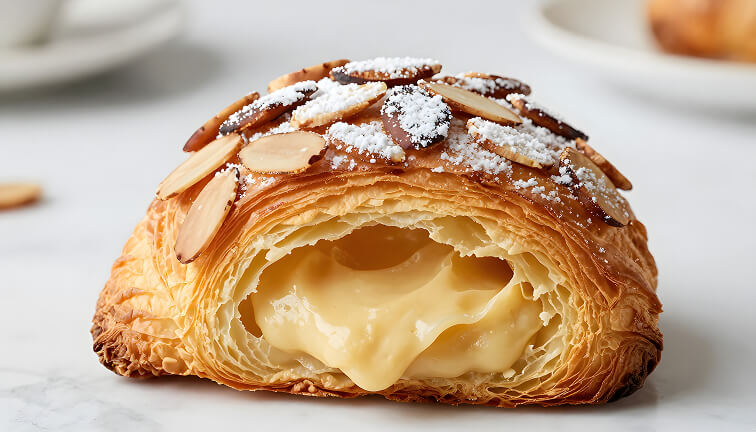
How to get it right:
Stick to the 1:1:1:1 ratio and use the same weight of butter, sugar, ground almonds and eggs.
Use the Paddle Attachment on speed 2 to 4. You want the butter and sugar creamed until pale, not aggressively whipped. Too much air and it puffs up like a balloon in the oven.
Add a tiny splash of dark rum or a drop of bitter almond extract. That’s the smell people queue for.
Make a big batch. It stores beautifully in the fridge for up to three days or in the freezer for up to a month. Trust us, you'll find reasons to use it. Just bring it back to room temperature first.
Pipe it if you can. Crème d’amande is far easier to work with that way.
Fat content categories are approximate and intended as a general guideline: low fat (0–15%), medium fat (15–30%) and high fat (30%+), though the exact percentage can vary depending on the recipe, ingredient ratios and preparation method.
Type of cream | Primary Usage | Texture | Stiffness | Fat content |
|---|---|---|---|---|
Pastry Cream | Éclairs, fruit tarts, mille-feuille | Smooth, stable, and dense | Firm (Pipeable) | Medium |
Crème anglaise | Dessert sauce, custard base | Silky, fluid, and pourable | Liquid | Medium |
Whipped cream | Topping for desserts, hot drinks, and fruit or decorating cakes, lightening agent | Light, airy, and fluffy | Soft to Medium | High |
Vegan whipped cream (Coconut) | Dairy-free toppings, pavlovas, layered desserts, fruit | Rich and creamy | Medium | High |
Vegan whipped cream (Aquafaba) | Vegan meringues, mousses and pavlovas | Ultra-light and cloud-like | Soft Peaks | Very low |
Chantilly cream | Pavlovas, Victoria Sponges, fruit desserts, hot drinks | Delicate and "cloud-like" | Soft to Medium | High |
Bavarian Cream | Molded entremets, Charlottes | Mousse-like and aerated | Firm (Molded) | Medium |
Crèmeux | Modern entremets, plated desserts | Glossy, velvety, and luxurious | Medium-firm, Dense | High |
Crème Légère | Cream puffs, Choux, éclairs | Soft, delicate, and airy | Medium-Soft | Medium |
Diplomat Cream | Layered cakes, mille-feuille | Light but stable | Firm (Sliceable) | Medium |
Mousseline Cream | Paris-Brest, Fraisier cakes | Rich, silky, and stable | Very Firm | High |
Chiboust | Saint-Honoré cake | Airy and marshmallow-like | Firm (Set) | Low-medium |
Chocolate ganache | Glazes, fillings, truffles, frosting | Dense, fudgy, and glossy | Varies (Liquid to Very Firm) | High |
Italian meringue | Mousses, Baked Alaska topping | Glossy and marshmallow-like | Medium-High | Low |
Swiss meringue | Buttercream base, pavlovas | Silky and marshmallow-like | Medium-High | Low |
Buttercream | Cake decoration, cupcake frosting | Rich, creamy, and indulgent | Very Firm | High |
Italian meringue buttercream | Layered cakes, detailed piping | Extremely smooth and silky | Very Firm | High |
Crème d'amande | Almond croissants, fruit tarts | Nutty and cake-like | Dense (Pre-bake), Soft-Dense (Baked)” | High |
KitchenAid Chef
— Sharing our passion for making
At KitchenAid, we unite people who love cooking and baking, brewing and creating. For over 100 years, KitchenAid has worked on behalf of every Maker out there. Our iconic tools are made with you in mind — opening the door to new possibilities and helping you to get most out of making.